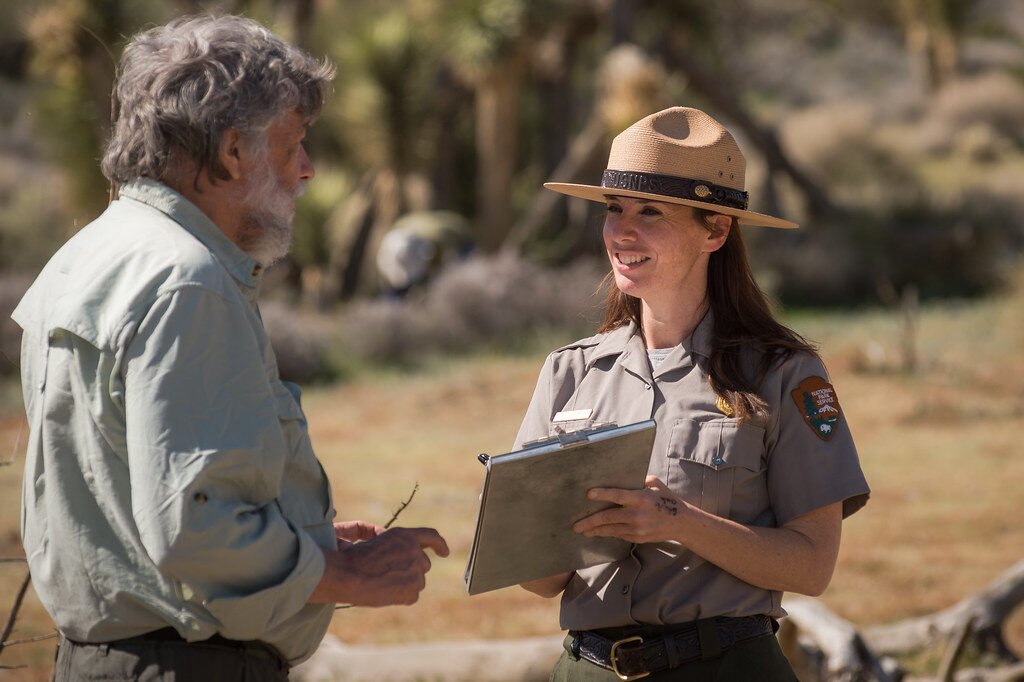
Volunteer work and community service can significantly boost your chances of winning scholarships. Many awards specifically reward students who demonstrate commitment to helping others through volunteering, while others value it as a key factor in holistic reviews alongside academics, leadership, and essays. In 2026, scholarships for volunteer work range from small local awards to multi-thousand-dollar national programs, with some requiring as few as 40–100 documented hours and others looking for sustained impact or leadership in service projects.
This guide explains how volunteer-based scholarships work, where to find them, eligibility tips, application strategies, and standout options to help you turn your service hours into college funding.
What Are Volunteer-Based or Community Service Scholarships?
These scholarships recognize students for unpaid volunteer activities that benefit their communities, schools, nonprofits, or specific causes (e.g., animal shelters, environmental cleanups, food banks, veteran support, or tutoring).
Unlike need- or merit-only awards, they emphasize:
- Hours volunteered (often 40–100+ in a set period)
- Impact created (e.g., people helped, projects led, measurable outcomes)
- Personal growth and reflection shown in essays
- Leadership in service (founding initiatives or taking initiative)
Some are “easy” scholarships with minimal requirements (e.g., photo proof of a campaign), while others demand detailed logs, supervisor letters, and thoughtful essays.
Key Benefits of Pursuing Volunteer Scholarships
- Reward genuine service rather than just grades or test scores.
- Help build a strong college application and resume.
- Often easier to qualify for if you have consistent volunteer hours.
- Many have lower competition than purely academic scholarships.
- Can be stacked with other aid.
Who Qualifies for Volunteer Scholarships?
- High school seniors, undergraduates, or sometimes graduate students.
- U.S. citizens/residents (some are state-specific).
- Students with documented volunteer experience (logs, letters from supervisors, or organization verification).
- Those who can articulate the “why” behind their service and its personal or community impact.
No minimum GPA in many cases, though stronger academics help. Beginning or ongoing volunteers are welcome — depth and reflection often matter more than sheer volume.
How to Find Scholarships Based on Volunteer Work
- Create profiles on major scholarship databases:
- Scholarships.com — Matches based on your volunteer interests and demographics.
- Bold.org — Hundreds of exclusive community service scholarships; filter by “Community Service.”
- Scholarships360.org — Lists hundreds of community service awards.
- Fastweb, Unigo, and BigFuture (College Board).
- Search for specific types:
- “Community service scholarships,” “volunteer scholarships,” or by cause (e.g., “animal shelter volunteer scholarship”).
- Local options: PTA/PTA-related, hospital volunteer programs, or city-specific awards.
- Check organizations where you volunteer — Many nonprofits, churches, veterans groups, or hospitals offer awards for dedicated volunteers.
- Additional resources:
- National Parent Volunteer Association (NPVA) scholarships.
- DoSomething.org for easy, project-based awards.
- Volunteer Scholars or American Volunteer Service Award programs.
Top Volunteer and Community Service Scholarships in 2026
Here are notable options (deadlines and amounts vary; always verify current details):
- DoSomething.org Scholarships — Easy awards for completing service campaigns (ages 13–25). No essays or GPA required in many cases; submit photo proof of impact. Awards range from hundreds to thousands of dollars.
- National Parent Volunteer Association (NPVA) Scholarships — Merit-based for students committed to volunteering; includes Act of Kindness and similar awards.
- Student Volunteer Award (Scholarship America) — For high school seniors with volunteer experience; considers leadership, academics, and goals.
- DAVIS (Disabled American Veterans) Auxiliary Scholarships — Often require 100+ hours volunteering with veterans or related causes.
- Hearts for Community Service Scholarship — For students in specific markets who volunteer actively.
- Bold.org Community Service Scholarships — Exclusive awards (hundreds available) focused purely on volunteering background.
- Local/University Options — Many colleges offer community service scholarships (e.g., UNC Chapel Hill CCPS program or state-specific Volunteer Scholarships).
Other mentions include the Barbara J. Penny Community Service Scholarship, BAFTX Susan Howard Award, and various PTA or organization-specific awards.
Step-by-Step: How to Apply and Increase Your Chances
- Build and Document Your Volunteer Record
- Start early and commit consistently (6–12+ months ideal).
- Track hours, dates, organizations, roles, and impact (use a spreadsheet or app like Volgistics).
- Seek leadership roles or initiate projects — founding a drive or program stands out.
- Get supervisor letters or official verification.
- Choose the Right Scholarships
- Match your specific experience (e.g., animal care, tutoring, environmental work) to targeted awards.
- Apply to a mix of national, local, and easy scholarships.
- Craft a Compelling Application
- Essays: Tell a story — what motivated you, challenges faced, impact on others and yourself, and future goals. Be specific and reflective, not just a list of hours.
- Quantify impact: “Organized food drives that provided 500 meals” beats “I volunteered at a food bank.”
- Resume/Activities Section: Highlight service prominently with details.
- Gather Supporting Materials
- Transcripts, proof of enrollment (for some), volunteer logs/letters.
- Strong recommendations from volunteer supervisors (better than generic teachers).
- Apply Early and Often
- Meet all deadlines and follow instructions exactly.
- Reuse and tailor essays where possible.
- Apply to 10–20+ scholarships to improve odds.
Pro tips for winning:
- Align service with your passions or intended major for authenticity.
- Show long-term commitment and leadership.
- Reflect on personal growth — committees love seeing how service shaped you.
- Create your own project if opportunities are limited.
Comparison Table: Types of Volunteer Scholarships
| Type | Typical Requirements | Award Range | Best For | Competition Level |
|---|---|---|---|---|
| Easy/Project-Based (e.g., DoSomething) | Complete campaign + photo | $500–$5,000+ | Quick wins, any volunteer | Lower |
| Dedicated Service Awards | 40–100+ hours + essay/logs | $1,000–$10,000+ | Consistent volunteers | Medium |
| Leadership/Impact-Focused | Initiative, measurable results, leadership | Up to $40,000 | Students who led projects | Higher |
| Organization-Specific | Volunteering at their site | Varies | Hospital, veteran, or local groups | Varies |
Amounts and details approximate; check current listings.
Responsible Tips and Next Steps
- Volunteer for the right reasons first — genuine service strengthens your story and ethics.
- Combine with other aid strategies (FAFSA, merit aid, loans if needed).
- Track everything digitally for easy reuse across applications.
- Avoid last-minute applications; quality takes time.
Next step: Create free profiles on Scholarships.com, Bold.org, and Scholarships360 today. Log your volunteer hours, search for “community service” matches, and start with 3–5 applications this month. Even small wins add up and build momentum.
This article is for informational purposes only and is not financial or career advice. Scholarship details, deadlines, and eligibility change frequently — always verify directly on official websites. Success depends on your individual profile, application quality, and competition.